Digital fatigue is real. Smart marketers are turning to physical mail to cut through the noise.
Direct mail provides brands with something that digital channels cannot – a personalised brand experience that captures attention and builds trust.
Offering customers something that they can hold onto (rather than adding to their unread email inbox) drives maximum engagement.
Whether you’re looking to generate leads, increase customer engagement, or improve brand awareness, direct mail campaigns have circled back to become an increasingly effective marketing tool.
Here’s why businesses continue to invest in direct mail and how it can add to your omnichannel marketing strategy.
1. Direct Mail Captures Attention
Consumers are exposed to countless digital advertisements every day, making it difficult for your brand to stand out online. Emails are often ignored, filtered into spam folders, or deleted within seconds.
In comparison, 84% of consumers read direct mail immediately or the same day they receive it (Lob 2025).
When direct mail arrives at the letterbox, it doesn’t need to compete for space.
A professionally designed postcard, brochure, catalogue, or promotional letter is more likely to be noticed, handled, and remembered.
This repeated exposure to your brand gives your message a better chance of making a lasting impression.

2. Builds Trust and Brand Credibility
One of the biggest advantages of direct mail marketing is the trust it inspires.
Printed marketing materials often feel more credible and professional than digital adverts, helping businesses establish stronger relationships with their customer base.
The shift towards physical media in the marketing landscape is only becoming more relevant – Gen Z continues to value offline experience due to the perceived inauthenticity of digital spam.
Gen Z lifestyle trends also reflect this: according to recent reports, a shift towards vinyl, cinema and books is underway. Physical media is becoming more valuable than digital versions, even for those who grew up in a digital-first world.
Whether you’re promoting a new product, announcing a special offer, or introducing your business to a new audience, direct mail can offer a tangible connection to your audience.
3. Highly Targeted Marketing Campaigns
Modern direct mail uses data-informed, precision targeting to trigger mail to customers based on their shopping journey.
This is crucial for achieving the best results: by sending a timely and relevant offer, consumers are more likely to act.
Paperplanes segments customers based on purchasing behaviour, such as automating abandoned basket campaigns which remind customers of products they had been considering.
Triggering campaigns based on customer behaviour ensures that communications only reach the people most likely to respond – optimising message quality over quantity of sends.
4. Personalisation Increases Customer Engagement
Paperplanes’ platform allows you to personalise every aspect of a direct mail campaign, beyond simply including customers’ names.
With our detail-orientated service, exact product recommendations based on previous purchases form part of the creative design.
Personalised marketing helps customers feel recognised rather than simply marketed to. This is an important aspect of customer relationship management, especially if your aim is higher engagement rates and customer retention.
5. Longer Lifespan Than Digital Advertising
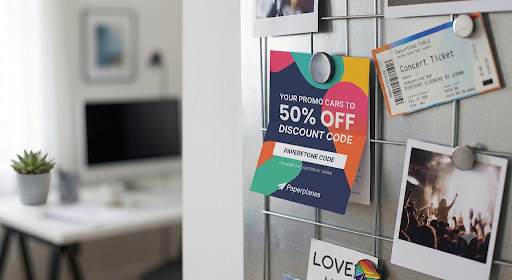
Unlike digital advertisements that disappear with a click, direct mail often stays in homes or workplaces for days or even weeks – pinned to a noticeboard or left on the coffee table.
This extended exposure increases brand recall and creates multiple opportunities for customers to respond to your marketing message.
6. Omnichannel Marketing Opportunities
The most successful businesses incorporate physical and digital mail.
An integrated marketing strategy might include a personalised postcard before launching an email campaign, supporting it with social media advertising, and directing customers to a dedicated landing page. Combining online and offline marketing creates multiple customer touchpoints that reinforce your message and increase conversion rates.
This is a recommended strategy for comprehensive marketing as it includes physical outreach for customers that may not be responsive to emails.
7. Easy to Measure Marketing ROI
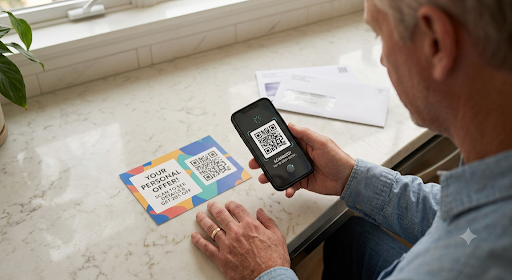
Many people assume direct mail is difficult to measure, but modern campaigns provide excellent tracking opportunities. The Paperplanes postcard model allows companies to include QR and discount codes to monitor customer responses.
Tracking these interactions allows marketers to measure campaign performance, calculate return on investment (ROI), and continually improve future campaigns using real data. The Paperplanes Inflight platform provides all users with collated data, KPI’s and easy-to-understand tables to confidently measure campaign success.
8. Delivers Excellent Return on Investment
By reaching carefully selected audiences with relevant, personalised messaging, businesses often experience higher response rates than broad, untargeted digital campaigns.
The latest JICMAIL response rate data shows that warm direct mail achieves an average response rate of 7.2% and an ROI of £9.00.
For organisations focused on customer retention or promoting high-value products, direct mail is a highly effective marketing solution that generates measurable business growth.
Why Direct Mail Marketing Needs To Be Part of Your Marketing Strategy
While digital marketing continues to evolve, direct mail has adapted alongside it. Paperplanes now combines customer data, personalisation, automation, and clear tracking to plan physical campaigns.
If you’re looking to improve your marketing results, incorporating direct mail into your overall strategy is a powerful way to help your brand strengthen customer relationships and achieve a greater return on your marketing investment.
Ready to try direct mail?
Talk to Paperplanes about a pilot campaign that proves the value with your own customer data.
Talk to Paperplanes about a pilot campaign that proves the value with your own customer data.