Gen Z lives online. They scroll fast, skip ads faster and have built an instinct for ignoring anything that feels repetitive or overly sales-driven. For marketers, that creates a clear problem. If everything is digital, nothing stands out.
That’s exactly how direct mail becomes a powerful tool again. It doesn’t compete in crowded digital spaces. Instead, it dominates it’s own environment – the home of your customer.
Breaking Through the Noise
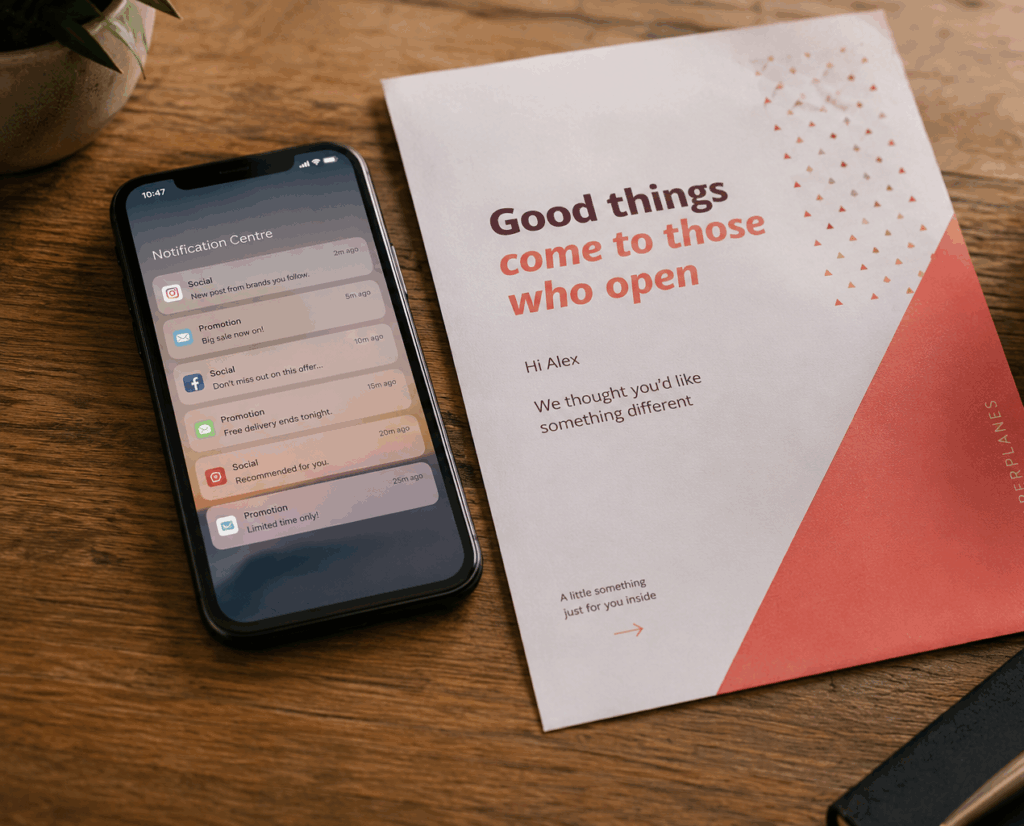
Think about the last time you opened your inbox. Now think about the last time you received a well-designed piece of post. One is routine, the other is memorable.
Gen Z is exposed to thousands of digital messages every day, which means most of them get dismissed instantly. Direct mail interrupts that pattern. It arrives on its own, without competing notifications, giving your brand a rare moment of undivided attention.
This isn’t just about visibility, it’s about impact. When something feels different, it’s far more likely to be noticed, remembered and acted on. That’s how direct mail wins.
The Power of Something You Can Hold
For a generation that spends so much time on screens, physical experiences carry more weight than ever. A piece of direct mail isn’t just seen: it’s held, turned over and interacted with. That’s real-life engagement that can’t be felt from behind a screen.
That physical touchpoint creates a sense of effort and authenticity that digital platforms struggle to replicate. It feels considered. It feels real. And importantly, it sticks around.
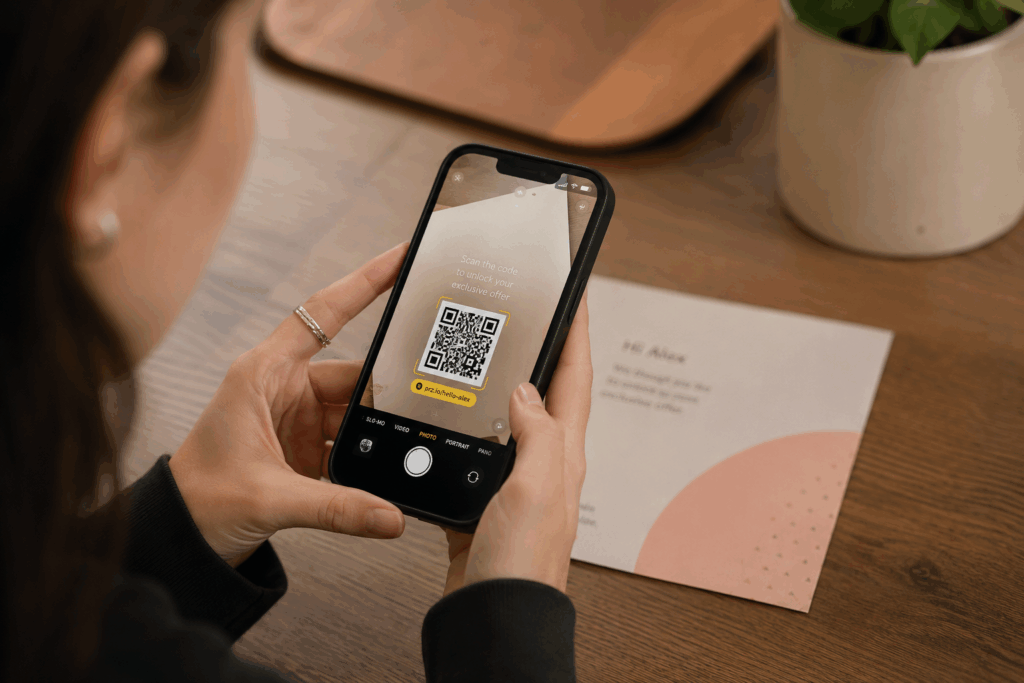
Reports from Royal Mail MarketReach show that advertising mail stays in the home for an average of 17 days. While an email disappears in seconds, a mailer gives brands repeated opportunities to be seen, remembered, and acted upon. Add in something simple like a QR code and you instantly bridge the gap between offline and online, making the journey feel seamless rather than separate.
We also know that QR codes work well with Gen Z: Research from Lob’s 2025 State of Direct Mail Consumer Insights Report found that 60% of Millennials are comfortable using QR codes on direct mail, compared with 26% of Boomers, showing how print and digital can work together to suit the right target audience.
Why Gen Z Actually Engages
Gen Z doesn’t ignore marketing, they ignore boring marketing. What they respond to is creativity, relevance and an experience that feels worth their time.
Direct mail can tap into that pain point. It’s unexpected, and that’s what makes it interesting. It also feels more trustworthy than another social advert. And when done right, it invites action in a way that feels natural rather than forced.
Reports show that 85% of Gen Z and Millennials engage with direct mail – a significant increase from Gen Xers or Boomer generations.
Instead of shouting louder, direct mail connects better. Gen Z wants to be surprised, and personalised direct mail can do that.
Just Eat Case Study: When Direct Mail Outperformed Digital
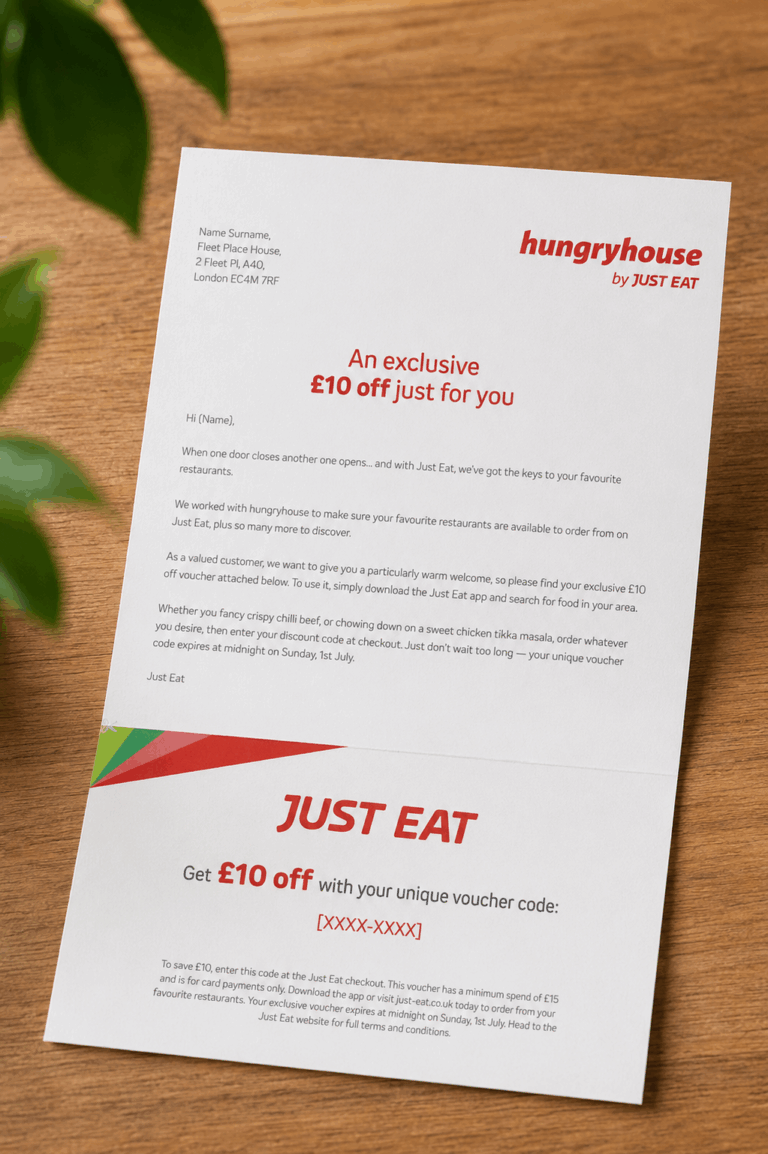
When Just Eat needed to engage high-value customers during a major platform migration, their digital channels were falling flat. Response rates sat between 0.5% and 2%. For a Gen Z audience constantly exposed to emails and social ads, their digital messages were easy to ignore.
Partnering with Paperplanes, they introduced personalised direct mail featuring tailored offers and trackable incentives, creating a completely different kind of interaction.
The impact was immediate. Recent customers delivered a 31% redemption rate, dramatically outperforming digital benchmarks. For Gen Z, the physical, personalised mailer stood out in a way digital could not. It felt more real, more considered and harder to ignore. Just Eat’s campaign shows that direct mail doesn’t just support digital marketing, it transforms engagement by cutting through when digital fatigue is highest.